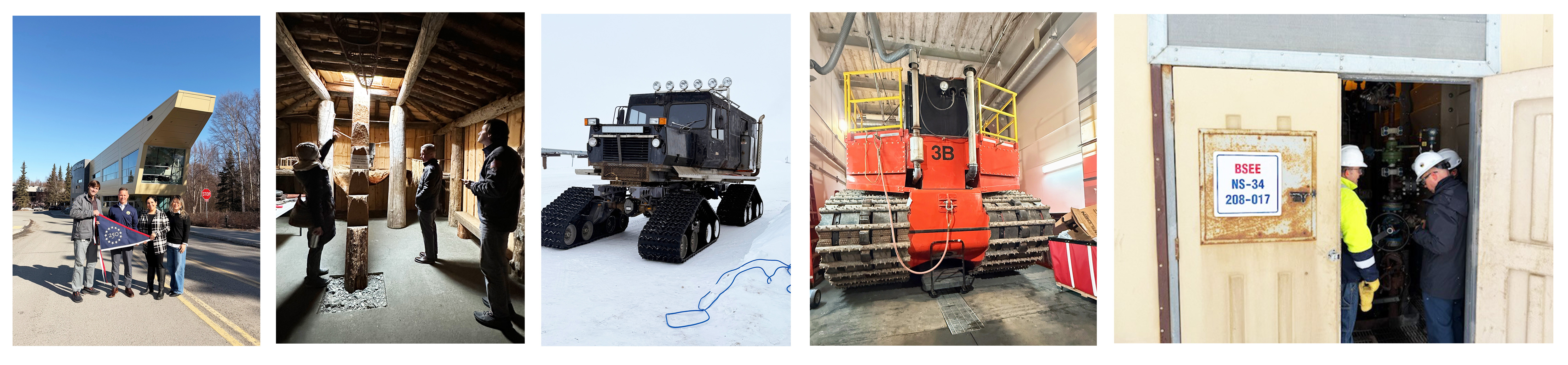
Bureau of Safety and Environmental Enforcement (BSEE) personnel recently conducted a series of field visits and stakeholder engagements across Alaska, including the North Slope and Anchorage, to strengthen offshore safety, environmental protection, and operational understanding in Arctic conditions.
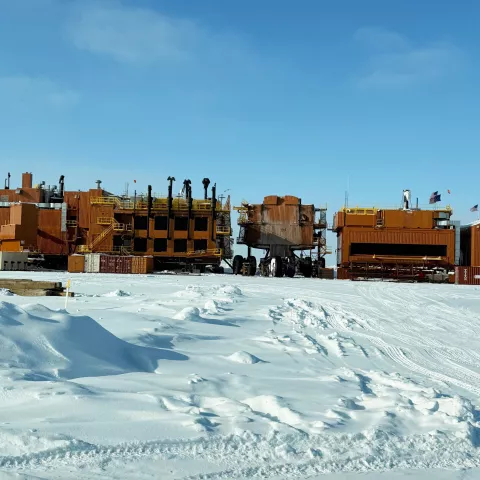
On the North Slope, BSEE representatives visited Hilcorp’s Northstar facility, the only federal Outer Continental Shelf (OCS) production site in the region. The visit provided a firsthand look at well operations, safety systems, and the unique environmental and logistical challenges associated with Arctic offshore development. Personnel also toured the Endicott facility, where they observed active drilling operations and reviewed proposed development concepts tied to the Liberty Unit.
“The Arctic presents some of the most complex operating conditions in the world,” said Wes James, BSEE Chief of Staff. “Being on site allows us to better understand those challenges and ensure that safety and environmental protections remain strong and effective.”
The North Slope visit highlighted the realities of operating in extreme conditions, where access can depend on ice roads, specialized vehicles, or seasonal transport methods. Facilities must be designed to withstand freezing temperatures, shifting ice, and limited access windows, all while maintaining continuous operational safety.
In Anchorage, BSEE expanded its engagement to include oil spill removal organizations, academic partners, and Alaska Native stakeholders. The delegation included Amanda Garrison, BSEE Tribal Coordinator/Alaska Regional Tribal Liaison, Seong Kim, Assistant Director for Strategic Engagement, Bobby Kurtz, Alaska Regional Director (Acting), and James, whose participation supported coordination across program offices and engagement with key partners. Meetings with spill response organizations provided insight into Arctic-specific response capabilities and the challenges associated with emergency operations in remote, ice-prone environments.
BSEE also met with leadership from the Alaska Native Science & Engineering Program (ANSEP), reinforcing the bureau’s commitment to workforce development and long-term partnerships with Alaska Native communities. The engagement highlighted educational pathways that support future engineers and scientists entering technical and regulatory fields.
Participation in the Arctic Encounter Summit further strengthened collaboration with policymakers, industry leaders, and Indigenous representatives. The forum provided an opportunity for BSEE to communicate its role in offshore safety, environmental protection, and responsible energy development in the Arctic.
“These conversations are critical,” said James. “They ensure that our regulatory approach reflects both operational responsibilities and the perspectives of the communities and partners who live and work in the region.”
These engagements underscore BSEE’s continued commitment to safe, environmentally responsible offshore energy operations and to building the partnerships necessary to support the future of Arctic development.